

Essential Ayurvedic Stress Relief Tools for Women

Stress is not just a feeling; it’s a physical and mental state that can drain your energy, cloud your mind, and disrupt your body’s natural balance. If you’re reading this, you might be tired of quick fixes that don’t last or advice that feels disconnected from your real life. I get it. As a clinician and a woman who has navigated the ups and downs of stress, I want to share with you some essential Ayurvedic stress relief tools that are practical, rooted in ancient wisdom, and designed to meet you where you are.
Ayurveda, the traditional Indian system of medicine, offers a holistic approach to managing stress by addressing the root causes and restoring balance. These tools are not about adding more to your to-do list but about integrating simple, effective practices that honor your body and mind.
Understanding Stress Through the Ayurvedic Lens
Before diving into the tools, it’s important to understand how Ayurveda views stress. In Ayurveda, stress is often linked to an imbalance in the doshas—Vata, Pitta, and Kapha. Each dosha governs different bodily functions and mental states:
Vata controls movement and communication. When out of balance, it can cause anxiety, restlessness, and insomnia.
Pitta governs metabolism and transformation. Imbalance may lead to irritability, anger, and inflammation.
Kapha is responsible for structure and stability. When disturbed, it can cause lethargy, depression, and heaviness.
Stress often triggers a Vata imbalance, but it can also stir Pitta or Kapha depending on your constitution and the nature of your stress. The goal is to calm the agitated dosha and bring your system back to harmony.
Have you noticed which feelings or symptoms show up when you’re stressed? This awareness is the first step toward healing.
Practical Ayurvedic Stress Relief Tools You Can Use Today
Here are some of the most effective Ayurvedic self-care tools for stress that I recommend. These are easy to incorporate into your daily routine and don’t require special equipment or a lot of time.
1. Abhyanga - The Art of Self-Massage
Abhyanga is a warm oil massage that soothes the nervous system and nourishes the skin. It’s a powerful way to ground Vata and calm your mind.
Use warm sesame oil for Vata, coconut oil for Pitta, and mustard or almond oil for Kapha.
Massage your entire body gently for 10-15 minutes before showering.
Focus on joints, feet, scalp, and the chest area.
This practice improves circulation, reduces muscle tension, and promotes restful sleep.
If you’re skeptical about adding another step to your day, start with just your feet or scalp. Even a few minutes can make a difference.
2. Pranayama - Breath Control for Calm
Breath is your most accessible tool for managing stress. Pranayama techniques help regulate your nervous system and bring clarity.
Try Nadi Shodhana (alternate nostril breathing) for balancing energy.
Practice Ujjayi breath (victorious breath) to soothe the mind.
Spend 5-10 minutes daily focusing on slow, deep breaths.
Breathing exercises can be done anywhere even at your desk, in bed, or during a break. They help interrupt the stress cycle and bring you back to the present moment.

Abhyanga self-massage with warm oil calms the nervous system and nourishes the skin.
3. Herbal Allies for Stress Support
Ayurveda uses herbs to support the body’s natural resilience to stress. Some of the most trusted herbs include:
Ashwagandha: An adaptogen that helps reduce cortisol and improve energy.
Brahmi: Supports cognitive function and calms anxiety.
Tulsi (Holy Basil): Balances stress hormones and boosts immunity.
You can take these herbs as teas, powders, or supplements. Always consult with a healthcare provider to ensure they fit your unique needs and don’t interact with medications.
4. Mindful Eating and Digestive Care
Stress can disrupt digestion, which in turn affects your mood and energy. Ayurveda emphasizes eating with awareness and choosing foods that balance your dosha.
Favor warm, cooked meals that are easy to digest.
Avoid excessive caffeine, processed foods, and heavy meals late at night.
Incorporate spices like ginger, cumin, and fennel to support digestion.
Eat in a calm environment, free from distractions.
When was the last time you truly savored your meal without rushing? This simple shift can reduce stress and improve your overall well-being.
5. Daily Routine (Dinacharya) for Stability
Consistency is a balm for a stressed system. Ayurveda encourages a daily routine that aligns with natural rhythms.
Wake up early, ideally before sunrise.
Practice morning self-care rituals like tongue scraping and oil pulling.
Set regular meal times.
Prioritize sleep by going to bed early and creating a restful environment.
A predictable routine helps regulate your body clock and reduces the chaos that fuels stress.
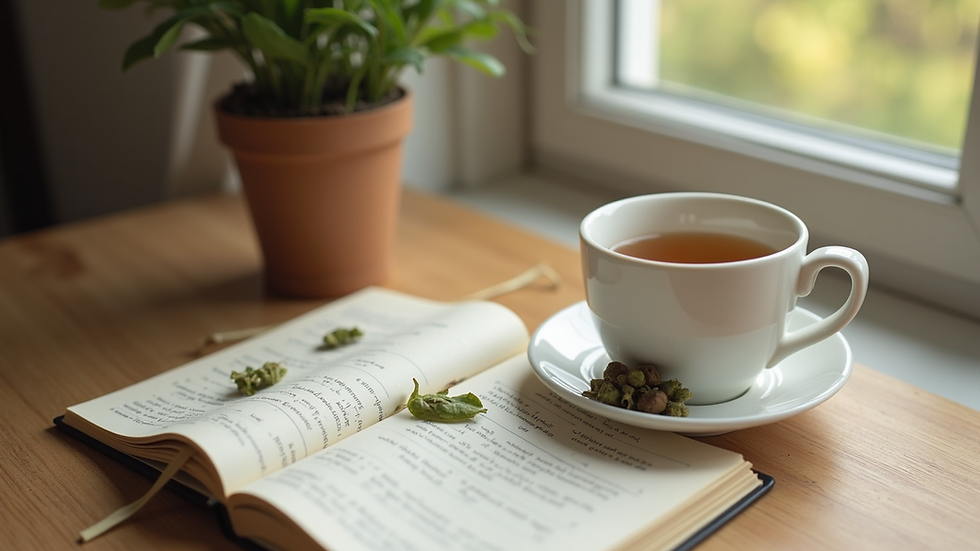
Morning routine with herbal tea and journaling supports mental clarity and stress reduction.
Why These Tools Work: The Science and the Soul
You might wonder why these practices, some of which have been around for thousands of years, still hold up today. The answer lies in their ability to address stress on multiple levels:
Physiological: Practices like abhyanga and pranayama activate the parasympathetic nervous system, which promotes relaxation and healing.
Psychological: Mindful eating and breathwork help you become aware of your stress triggers and respond rather than react.
Energetic: Ayurveda’s dosha system provides a framework to understand your unique stress patterns and tailor your care accordingly.
These tools are not about perfection or rigid rules. They are about you reclaiming your power and creating space for healing.
Taking the First Step Without Overwhelm
I know how overwhelming it can feel to add “self-care” to an already full plate. The key is to start small and be gentle with yourself.
Pick one tool that resonates with you.
Set a realistic goal, like 5 minutes of breathwork or a quick foot massage before bed.
Notice how it feels and adjust as needed.
Remember, this is not about doing more but about doing what truly supports you.
Embracing Your Journey to Balance
Stress is a part of life, but it doesn’t have to control you. With these Ayurvedic stress relief tools, you have a roadmap to nurture your body, calm your mind, and restore your balance. You deserve care that honors your intelligence, your exhaustion, and your strength.
Take a moment today to ask yourself: What does my body need right now? Then, meet that need with kindness and wisdom.
Your journey to holistic well-being is not about perfection. It’s about showing up for yourself, every day, with compassion and clarity. And that is a powerful act of healing.
If you’re ready to dive deeper into personalized Ayurvedic wellness, remember that support is available. You don’t have to navigate this alone. Your well-being matters, and it’s worth the time and attention you give it.


Comments